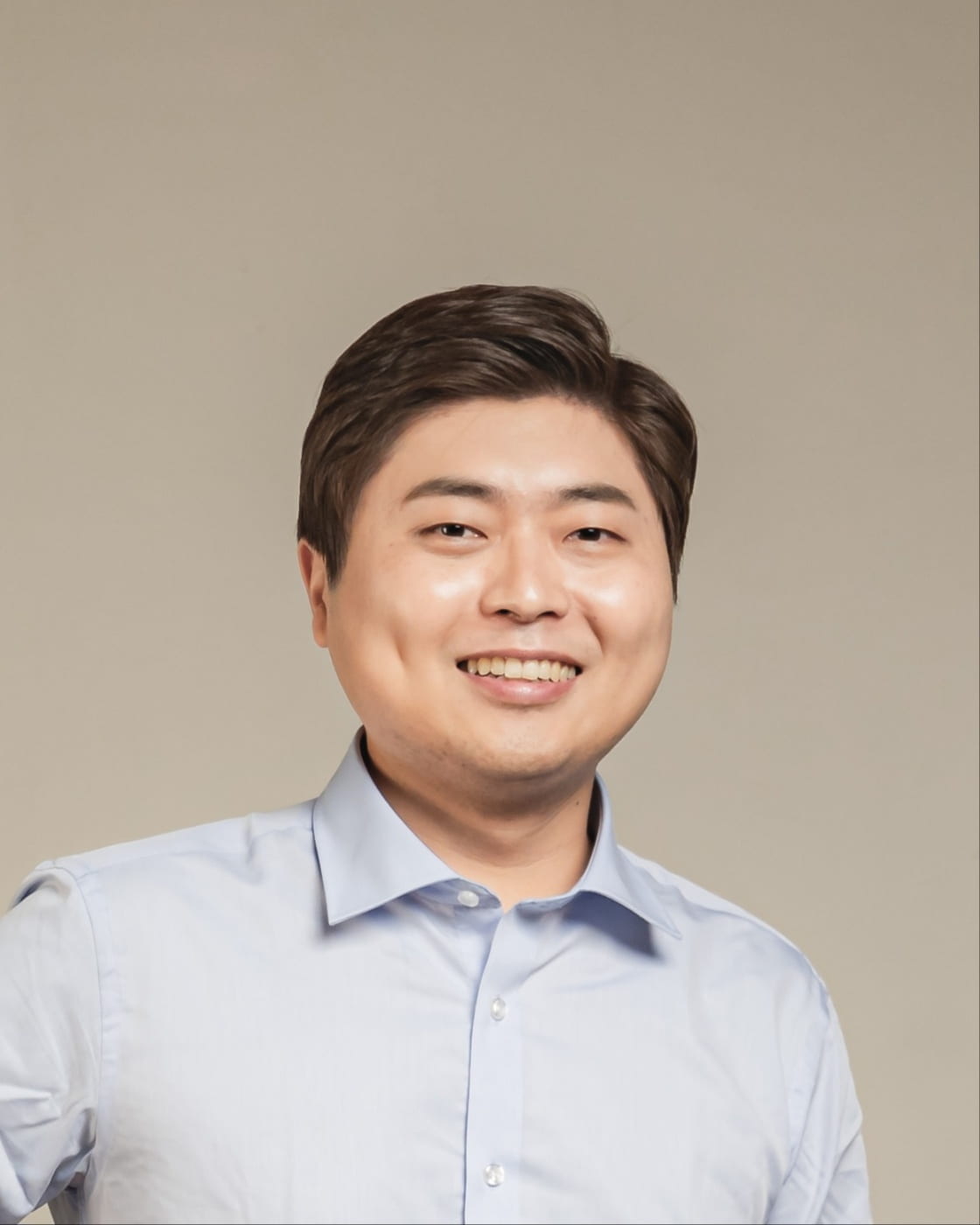
Kyeong Joo Jung
Postdoctoral Scholar
Stanford University
Departments of Anesthesiology, Perioperative and Pain Medicine and Pathology
Mentored by
Nima Aghaeepour
and Rebecca Rojansky
I develop multimodal AI methods for precision medicine across computational pathology and clinical informatics. My work in computational pathology focuses on predicting clinical outcomes from H&E histology with biologically grounded interpretation from spatial proteomics, as well as identifying and characterizing cancer cells, glands, and spatial immune patterns within tissue. At Stanford, my current research expands into clinical informatics by integrating electronic health records with genomic data to support genomic test selection and clinical decision-making.
Academic & Research Appointments
Mentors: Nima Aghaeepour and Rebecca Rojansky
Education
-
PhD in Computer Science & Engineering 2026The Ohio State University, OH, USACo-advised by Prof. Raghu Machiraju (Computer Science & Engineering) & Prof. Dongjun Chung (Biomedical Informatics & Biostatistics)Dissertation: From Cells to Clinical Outcomes: Building a Domain-Specific Foundation Modeling Framework through Spatial Proteomics
-
M.S. in Computer Science & Engineering 2025The Ohio State University, OH, USA
-
M.S. in Computer Science 2017 - 2018Stony Brook University (SUNY Korea)Advisor: Bong Jun Choi (Distributed Intelligence Lab)
-
B.S. in Computer Engineering 2011 - 2017Yonsei University, Republic of KoreaExchange Student in Computer Science, Angelo State University, 2014–2015
Research Interests
-
Multimodal AI for Precision Oncology
Integrating histology, spatial omics, clinical data, and genomics for cancer diagnosis, prognosis, and treatment decision support. -
Computational Pathology
Identifying and characterizing clinically meaningful tissue regions using interpretable machine-learning methods. -
Spatial Bioinformatics
Modeling cellular composition, tumor heterogeneity, immune organization, and cell–cell interactions. -
Biomedical Foundation Models and Clinical AI
Developing transferable representations from large-scale biomedical and clinical data.
Peer-Reviewed Publications
*: Equal contribution
Methodology Papers
- Jung KJ, Qiu J, Cho S, McDonough E, Chadwick C, Ghose S, West R, Brooks JD, Ginty F, Machiraju R, Mallick P (2026). "Multi-Scale Tri-Modal Histology Dataset Integrating Tumor Morphology, Immune Patterns, and Clinical Outcomes." Scientific Data (Nature Portfolio). Accepted. [bioRxiv]
- Jung KJ, Rout S, Qiu J, Cho S, McDonough E, Ghose S, Chadwick C, Brooks JD, West R, Ginty F, Mallick P, Jadhav K, Machiraju R (2026). "Deep-IMMA: An Interpretable Immune-Aware Multimodal Deep Representation Learning for Cancer Prognosis and Recurrence Prediction." MICCAI 2026. (Early Acceptance (Top 9%)).
- Sun Y, Jung KJ, Brooks JD, Chadwick C, Cho S, Ghose S, McDonough E, Qiu J, West R, Ginty F, Machiraju R, Mallick P (2026). "Foundation Model–Driven Interpretable Discovery of Prognostic Signals Beyond Clinical Records in Histology and Spatial Proteomics." CVPR Multimodal Foundation Models for Biomedicine Workshop. [Accepted Page]
-
Jung KJ, Ghose S, Cho S, McDonough E, Chadwick C, West R, Brooks JD, Chung D, Ginty F, Machiraju R, Mallick P (2026). "Annotation-Free Prediction of Cancer Cells and Glands and Spatial Analysis of Immune Cells." PLOS Computational Biology. (Under Revision). [bioRxiv] [App]
-
Xie J*, Jung KJ*, Allen C*, Chang Y, Paul S, Li Z, Ma Q, Chung D (2024). "Analysis of community connectivity in spatial transcriptomics data." Frontiers in Applied Mathematics and Statistics, 10, 1378370. [Link] [Github]
- Karageorgos GM, Cho S, McDonough E, Chadwick C, Ghose S, Owens J, Jung KJ, Machiraju R, West R, Brooks JD, Mallick P, Ginty F (2024). "Deep learning-based automated pipeline for blood vessel detection and distribution analysis in multiplexed prostate cancer images." Frontiers in Bioinformatics, 3. [Link]
- Jeon H, Xie J, Jeon Y, Jung KJ, Gupta A, Chang W, Chung D (2023). "Statistical power analysis for designing bulk, single-cell, and spatial transcriptomics experiments: Review, tutorial, and perspectives." Biomolecules, 13(2), 221. [Link]
Collaboration Papers
- Schafer JM*, Song NJ*, Xiao T, Gauntner TD, Jung KJ, Fitts EG, Kumar K, Jeon HS, Elaoud RA, Reynolds K, Caruso VM, Levin TG, McConkey D, Lee CT, Pohar KS, Clinton SK, Carson WE, Chung DJ, Li Z, Sundi D (2025). "T cell subsets of urine-derived lymphocytes (UDLs) serve as an indicator of TILs and reflect immunological sex differences in bladder cancer." Journal for ImmunoTherapy of Cancer, 13(10), e012050. [Link]
- Song NJ, Xie J, Jung KJ, Wang Y, Pozniak J, Roda N, Marine JC, Riesenberg BP, Jeon H, Ma A, Cox N, Wethington D, Reynolds K, Xiao T, Li A, Kronen P, Denko N, Carbone DP, Ma Q, Carson WE, Mundy-Bosse BL, Burd CE, Das J, Chung D, Li Z (2025). "Tumor-Associated NK Cells Regulate Distinct CD8+ T-cell Differentiation Program in Cancer and Contribute to Resistance against Immune Checkpoint Blockers." Cancer Discovery 15(9):1835-1857. [Link]
- Schwarz E, Benner B, Wesolowski R, Quiroga D, Good L, Sun SH, Savardekar H, Li J, Jung KJ, Duggan MC, Lapurga G, Shaffer J, Scarberry L, Konda B, Verschraegen C, Kendra K, Shah M, Rupert R, Monk P, Shah HA, Noonan AM, Bixel K, Hays J, Wei L, Pan X, Behbehani G, Hu Y, Elemento O, Chung D, Xin G, Blaser BW, Carson WE (2024). "Inhibition of Bruton's tyrosine kinase with PD-1 blockade modulates T cell activation in solid tumors." JCI Insight, 9(21), e169927. [Link]
- Deffenbaugh JL, Jung KJ, Murphy SP, Liu Y, Rau CN, Petersen-Cherubini CL, Collins PL, Chung D, Lovett-Racke AE (2024). "Novel model of multiple sclerosis induced by EBV-like virus generates a unique B cell population." Journal of Neuroimmunology, 394, 578408. [Link]
- Wen RM, Qiu Z, Marti GEW, Peterson EE, Garcia Marques FJ, Bermudez A, Wei Y, Nolley R, Lam N, Polasko AL, Chiu CL, Zhang D, Cho S, Karageorgos GM, McDonough E, Chadwick C, Ginty F, Jung KJ, Machiraju R, Mallick P, Crowley L, Pollack JR, Zhao H, Pitteri SJ, Brooks JD (2024). "AZGP1 deficiency promotes angiogenesis in prostate cancer." Journal of Translational Medicine, 22(1), 383. [Link]
Security Related Papers
- Jung KJ, Woo S (2018). "SECURITY Comparison on KOREAN Password / Authentication Policy and Other Countries." International Journal of Protection, Security & Investigation (J-Institute), 3(2), 6-13. [Link]
- Jung KJ, Choi SH, Lee BH, Nam Gung Y, Kim JS, Kim HS, Han JS, Kim T, Choi BJ (2018). "POSTER: Undetectable Task Bypassing OS Scheduler via Hardware Task Switching." ASIACCS, 801-803. [Link]
- Jung KJ, Lee BH, Gung YN, Kim JS, Kim HS, Han JS, Choi BJ (2018). "Under Cover of Darkness: Hiding Tasks via Hardware." HITBSecConf (Hack In The Box Security Conference), Amsterdam, Netherlands. (Technical Paper) [Link]
- Woo S, Jung KJ, Choi BJ (2018). "Survey on Current Password Composition Policies." Journal of the Korea Institute of Information Security & Cryptology, 28(1), 43-47. [Link]
Book Chapters
- Gillespie J, Xie J, Jung KJ, Hardiman G, Pietrzak M, and Chung D (2025), "A gentle introduction to spatial transcriptomic analysis with 10X Visium data," To appear in Methods in Molecular Biology. [Online Chapter]
Presentation
-
From Cells to Clinical Outcomes: Building a Domain-Specific Foundation Model through AI/ML-Enriched Spatial Proteomics
CSE Research Poster expo, The Ohio State University, Columbus, Ohio, February (Poster). -
From Cells to Clinical Outcomes: Building a Domain-Specific Foundation Model through AI/ML-Enriched Spatial Proteomics
GE Healthcare Technology & Innovation Center (HTIC), Niskayuna, New York, October 2025 (Invited Talk). -
Multi-modal Domain-specific Foundation Model for Prostate Cancer Explanation: Utilizing H&E Image and Spatial Proteomics
SSACB 2025, NIH (Bethesda), Maryland, August 2025 (Talk, and poster). -
Multi-modal Domain-specific Foundation Model for Prostate Cancer Explanation: Utilizing H&E Image and Spatial Proteomics
ICIBM 2025, Columbus, Ohio, August 2025 (Talk, and poster). -
Prostate Cancer Diagnosis and Prognosis Prediction Using Spatial Proteomics
AIMACCS 2024, Columbus, Ohio, May 2024 (Poster). -
Analysis of Community Connectivity in Spatial Transcriptomics Data
KSEA UKC, Dallas, Texas, August 2023 (Poster) - Best Poster Award. -
Undetectable Task Bypassing OS Scheduler via Hardware Task Switching
ASIACCS 2018, Songdo, Korea, June 2018 (Poster). -
Under Cover of Darkness: Hiding Tasks via Hardware
HITBSecConf, CommSec, Amsterdam, Netherlands, April 2018 (Presentation). [Video]
Open Source Software & Lab Infrastructure
Development of Bioinformatics Tools
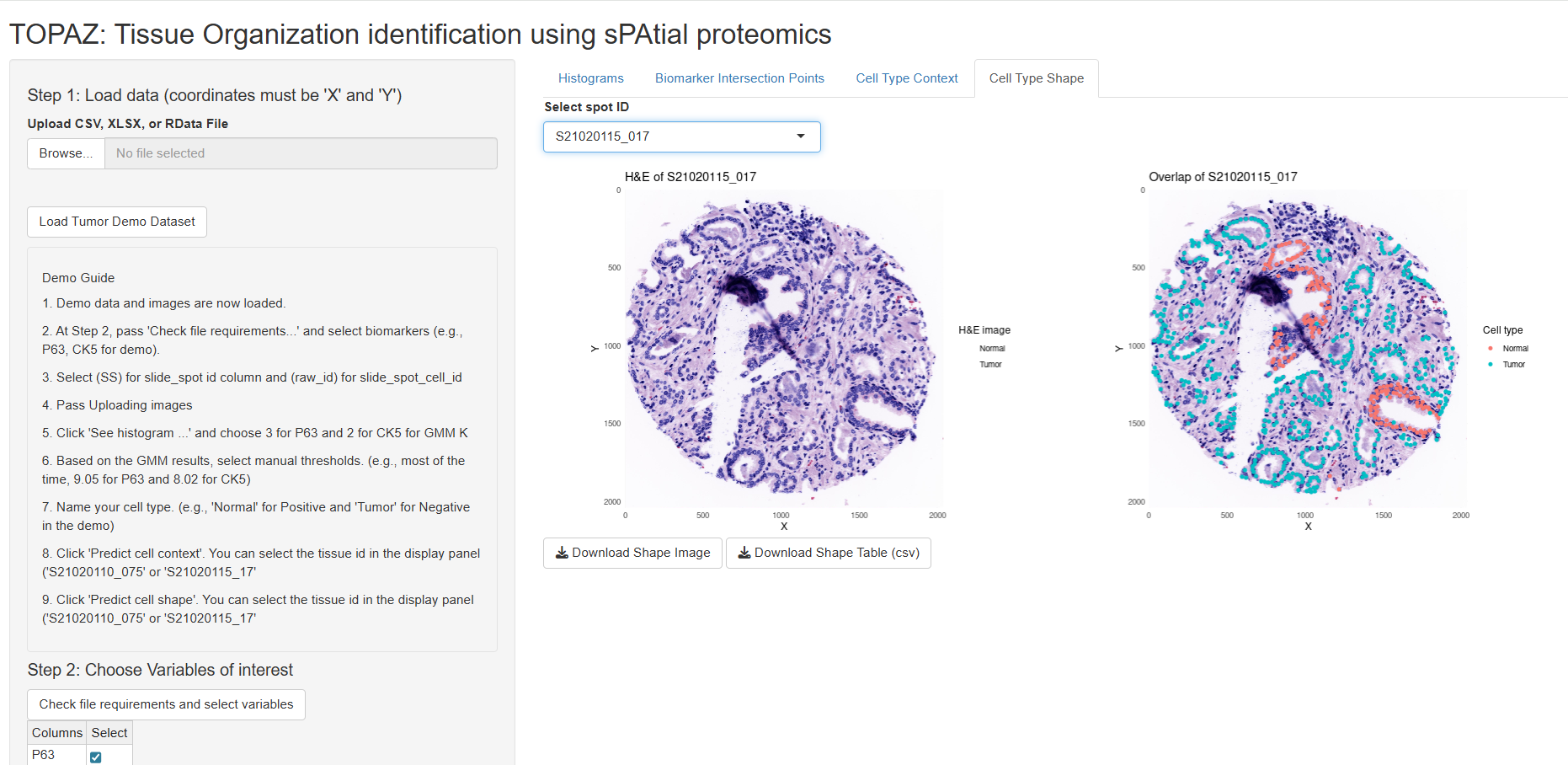
Lab Infrastructure
- Server Administration: Managed research lab server - resource allocation, and environment update/isolation (EPEL, SCL/Compile Tool/renv) to ensure reproducibility of experiments from different machines.
-
Deployment: Experience in deploying web applications on Linux-based server.
Ex) VeteranST, spaDesign, SCOPE
Research Group
The Ohio State University, Stanford University, GE Healthcare (Grant No.: R01CA249899)
Role: Development of methods for computational pathology (classification, dataset, foundation model)
Collaborated with researchers from industry and pathologists
On-site Visiting Researcher at Stanford University (Mar. 2026): Conducted collaborative research on foundation models using spatial proteomics.
On-site Visiting Researcher at GE Healthcare Technology & Innovation Center (HTIC) (Oct. 2025): Conducted collaborative research on spatial proteomics and delivered an invited technical seminar.
The Ohio State University, Pelotonia Institute for Immuno-Oncology (PIIO)
Role: Bioinformatician-single cell RNA/TCR/FlowCytometry/Spatial Transcriptomics/Proteomics/CITEseq analysis
Collaborated with Immuno-oncologists
The Ohio State University Comprehensive Cancer Center (CCC)
Role: Support BISR in AI training - tutorials / implementation support on neural networks
Consisted of Statisticians, Bioinformatician researchers
The Ohio State University
Role: Presentation hosting, scheduling, and presenting
Consisted of Statistics, Computer Science, Bioinformatics graduate researchers
Patent
-
Software Code Dynamic Distributing Method and Apparatus
Choi DH, Kim JK, Park JH, Lim SM, Choi J, Hwang TW, Han JS, Jung KJ
2018 (expired) -
Detection method and device of hidden task using hardware task switching
Lee BH, Choi SH, Kim JS, Jung KJ, Nam Gung Y, Kim HS, Han JS
2017 (expired)
Awards & Honors
- 2023 KSEA-KUSCO Graduate Scholarship ($2,000)
-
Dean's List for Excellent Academic Achieve
Angelo State University, San Angelo, Texas - 2015
Academic Leadership & Service
Role: Led a team to organize large-scale academic seminars, recruiting events, and networking events for over 250 graduate students.
Managed the association's annual budget and secured funding from external sponsors and the university, resulting in a significant financial surplus for the next administration.
Helped incoming students and their families to adapt to life at OSU.
Role: Facilitated research exchanges and networking among engineering graduate students.
Participated in the NET program (Korean Federation of Science and Technology Societies (KOFST)) to support and fund small research groups.
Role: Represented the freshman cohort in student council meetings and coordinated department-wide events.
Other Experience
Teaching Experience
- Teaching Assistant at OSU: CSE1223 (Java), CSE3461 (Networking) (2019-2021), CSE3521 (Survey of Artificial Intelligence I: Basic Techniques) (2026)
- Teaching Assistant at SUNY Korea: Business Statistics, Intro to Computational and Algorithmic Thinking, Computer Science I, System Fundamentals I, Freshman Design Innovation (2017-2018)
Industry Experience
- Visiting Researcher at GE Healthcare Technology & Innovation Center (HTIC), Niskayuna, NY (2026)
- IT employee at Korea International School IT Team (2018-2019)
- Internship at The Korean Association for Industrial Technology Security (2016)
Certificates
- Certificate of Best of the Best member (Digital Forensics Track), KITRI (2017-2018)
- Certificate of Study & Training, Crime Scene Investigation & Forensic Science Program, NFS (2017)
© 2026 Kyeong Joo Jung. Hosted on GitHub Pages.